
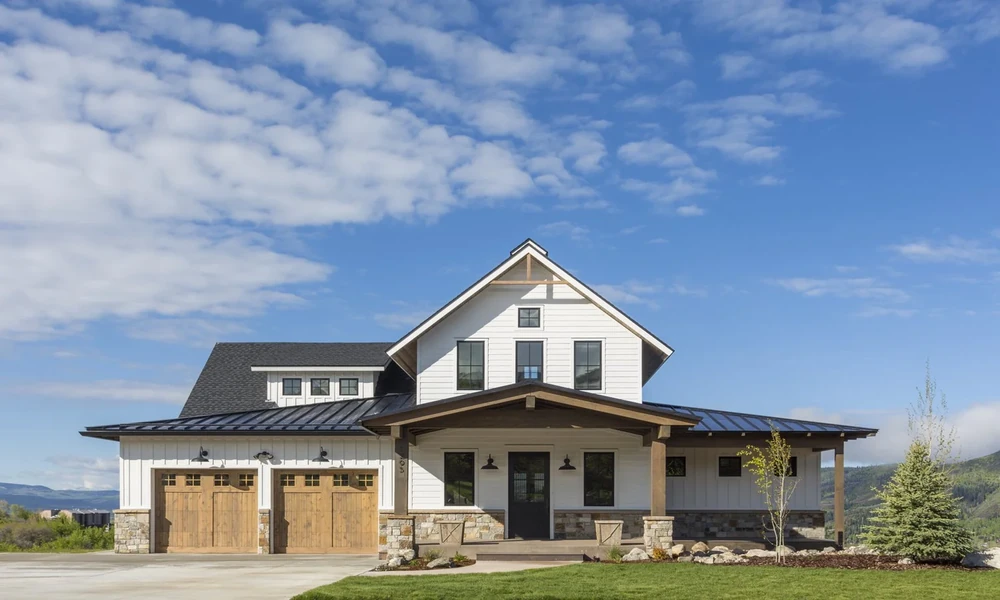
Buying a home is a major financial and personal decision. For people considering new construction, two common options are spec homes and custom homes. Both offer the benefits of a newly built property, but they differ in how they are designed, how much control buyers have, how the project is managed, and how quickly the home may be ready.
Understanding these differences can help buyers select a property that fits their lifestyle, budget, and timeline. It also helps builders explain their services and reach customers with different priorities.
Understanding Spec Homes
A spec home is a house built by a developer or builder without a specific buyer committed to purchasing it at the beginning. The builder selects the lot, floor plan, materials, fixtures, and finishes based on anticipated market demand.
The goal is to create a property that appeals to likely buyers and can be sold at a price that covers the project costs and provides an acceptable return. Spec homes may be completed before they are listed, or they may be marketed while construction is underway.
Because most design decisions have already been made, buyers can usually evaluate the actual property instead of developing every detail from scratch. Depending on the construction stage, some builders may permit limited choices, such as selecting certain finishes or appliances.
Spec homes can be suitable for people who want a newly built house but prefer a more straightforward purchasing experience.
Understanding Custom Homes
A custom home is designed and built around the needs and preferences of a particular buyer. The homeowner generally works with a builder, architect, or design professional to develop the floor plan, select materials, and make decisions about the home’s features.
This approach allows buyers to consider specific requirements, such as a home office, accessibility features, specialized storage, or a particular relationship between indoor and outdoor spaces. It can also help people design around a lot they already own or plan to purchase.
The additional control comes with greater responsibility. Buyers may need to make many decisions about layouts, finishes, fixtures, and construction details. Changes during construction can affect the budget and timeline, particularly when they require redesigning work that has already been completed.
Custom construction is often a better fit for buyers who have specific requirements and are comfortable being involved throughout the process.
Comparing Design Flexibility
The most significant difference between these two options is who makes the design decisions.
With a spec home, the builder has generally selected the floor plan, room dimensions, materials, and finishes before the buyer arrives. This reduces the number of decisions the purchaser must make, but it also limits personalization.
A custom home offers much more freedom. Buyers can work with their design team to determine how rooms should be arranged and which features should be included. Subject to the site, budget, building regulations, and professional advice, the finished property can be tailored more closely to their preferences.
Neither approach is automatically better. Buyers should consider whether a standard layout already meets their needs or whether specific design requirements justify the extra time and effort of custom construction.
Considering Budget and Costs
Budget planning is essential for either option. Spec homes often use established plans and standard specifications, which can make the expected price easier to evaluate before purchase. The buyer can usually see the listed price and determine whether the property fits their financial circumstances.
However, additional costs may still apply. Buyers should ask about closing expenses, taxes, homeowner association fees where relevant, landscaping, appliances, upgrades, and other items that may not be included in the advertised price.
Custom homes require a different type of cost planning. The final expense depends on the land, design, materials, labor, permits, site conditions, and the choices made during construction. Design changes and unexpected site work can increase costs.
Builders also need to understand their own project economics. Planning spec home construction involves evaluating anticipated demand, project expenses, financing costs, and the risk of selling a property without a buyer already committed.
Regardless of the option, buyers should review realistic total costs rather than comparing headline prices alone.
Comparing Timelines and Convenience
Spec homes can provide a shorter route to moving into a new property when the house is already completed or nearing completion. Buyers may be able to inspect the home, arrange financing, complete the purchase, and move in without waiting for the entire construction process.
The timeline still depends on inspections, lender approval, title matters, and other closing requirements. A home that is under construction may also experience delays.
Custom homes usually require more time because the project involves design development, approvals, material selections, and construction. The schedule can be affected by site conditions, weather, labor availability, and changes requested by the owner.
People who need to move by a particular date may prefer an available spec home. Those who can wait and want greater control over the final result may find custom construction more rewarding.
Evaluating Quality and Long-Term Value
Quality depends on the builder, specifications, workmanship, maintenance, and suitability of the design-not simply whether a home is speculative or custom.
For spec homes, buyers should review the construction details, ask about warranties, and arrange appropriate independent inspections. A newly built property can still have defects, so a careful evaluation remains important.
Custom homebuyers should also monitor quality throughout the process. They may have more opportunities to discuss material choices and construction details with the builder, but they must still understand the contract and ensure that work meets applicable standards.
Long-term value depends on location, condition, design, operating costs, and future buyer demand. Highly personalized features can be valuable to their owner but may not appeal to every future purchaser. A spec home designed for broad market appeal may be easier to position for resale, although there is no guarantee of future appreciation.
How to Choose the Right Option
Start by listing your priorities. Consider your budget, preferred location, move-in date, household needs, and willingness to make construction decisions.
A spec home may be the better choice if you want a new property with a relatively straightforward buying process and a design that already suits your lifestyle. A custom home may be more appropriate if you need a specialized layout, want substantial design control, and can accommodate a longer process.
In either case, research the builder’s reputation, compare similar properties, review contracts carefully, and understand what is included in the price. Buyers should also evaluate financing with qualified professionals before committing.
Conclusion
Spec homes and custom homes offer different paths to new homeownership. Spec homes prioritize market-focused design, convenience, and fewer decisions for the buyer. Custom homes provide greater personalization but generally require more involvement and careful management of time and costs.
The right choice depends on individual needs rather than a universal rule. By evaluating budget, flexibility, construction quality, timeline, and long-term goals, buyers can make a more informed decision. Builders and prospective buyers can also explore resources from builderfinance.com to better understand the planning and financial considerations associated with different homebuilding approaches.