
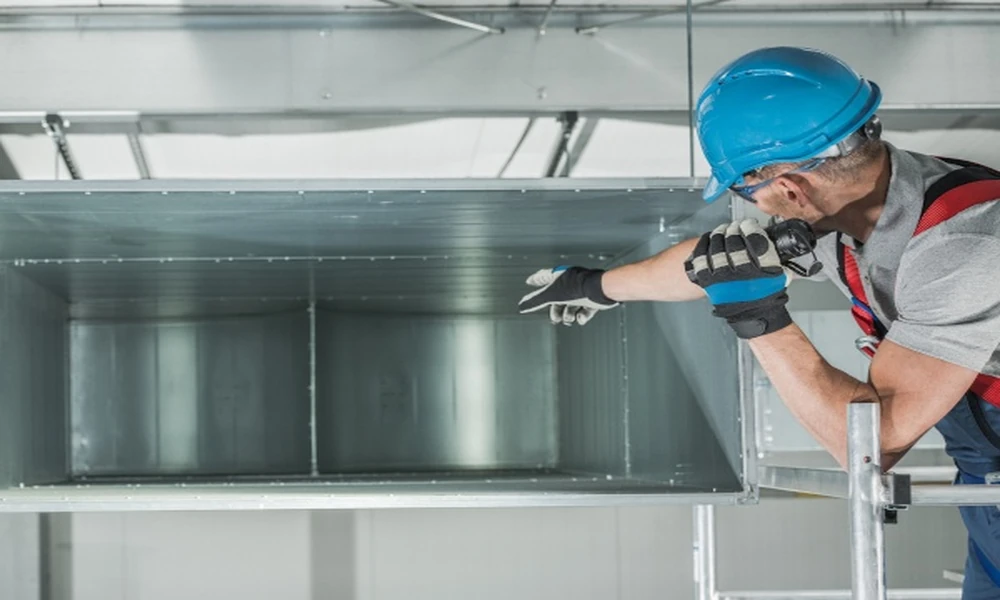
Most homeowners judge a heating and cooling system by the box outside or in the basement. The brand, the efficiency rating and the age of the unit get all the attention. But the ducts running through the attic, crawl space and walls often have more to do with how a room feels than the equipment does.
That idea has changed how many contractors diagnose comfort complaints. Teams like Element Heating & Cooling list duct performance alongside their furnace, heat pump and air conditioning work. Their technicians hold National Comfort Institute training, a program built around measuring airflow instead of guessing at it. The approach treats the whole system, from return grille to supply register, as one connected machine.
It’s a useful way for any homeowner to think. A high-efficiency heat pump connected to undersized, crushed or leaky ducts will perform like a much weaker unit. Knowing why helps you ask better questions before you spend money on new equipment.
The Equipment Gets the Credit While the Ducts Do the Work
A furnace or air handler is basically a fan attached to a heat source or a cold coil. Its job is to push a set volume of air across that coil and out into the house. For cooling, the long-standing rule of thumb is about 350 to 400 cubic feet per minute for every ton of capacity.
If the ducts can’t carry that much air, the numbers on the equipment label stop meaning much. Cooling coils run too cold and can freeze. Furnace heat exchangers run hotter than they were designed to. Efficiency ratings are tested with ideal airflow in a lab, so they slip in a real house.
Static Pressure in Plain Terms
Technicians measure duct restriction with a reading called total external static pressure. Think of it as blood pressure for your HVAC system. When a fan pushes air into narrow, kinked or clogged passages, pressure goes up and airflow goes down.
Many home blowers are designed to work against about half an inch of water column. Readings well above that are common in houses where:
- the ducts were sized for a smaller unit
- the filter is too restrictive
- the returns were never large enough
Variable-speed blowers try to make up for it by spinning harder. That raises energy use and noise, and it can shorten the motor’s life.
Signs Your Airflow Is Being Choked
Duct problems rarely show up directly. They show up as comfort quirks that people learn to live with.
One Room Never Catches Up
A bedroom over the garage or at the end of a long run stays warm in summer and cold in winter. Closing vents elsewhere to push more air there usually makes overall pressure worse.
Registers Whistle or Roar
Air forced fast through a small opening makes noise. Loud supply registers or a humming return grille often point to undersized ductwork.
The Filter Looks Sucked In
If the filter bows inward, or the return panel is hard to pull off while the system runs, the return side isn’t getting enough air.
Short Cycling and Iced Coils
Low airflow can trip a furnace’s safety limits or let ice build up on an air conditioning coil. The result is a system that keeps starting and stopping.
Leaks in Attics and Crawl Spaces
Restriction is only half of the story. The other half is leaks. Ducts that run through unheated, uncooled spaces lose air through loose joints, torn flex duct and unsealed boots. Common industry estimates put the loss in typical homes at a fifth or more of the air the system moves.
Leaks on the return side cause the most trouble because they pull in attic dust, damp crawl space air and sometimes garage fumes. The EPA notes that sealing duct air leaks can help lower heating and cooling bills. It also says poorly sealed or uninsulated ducts in attics and crawl spaces can let in moisture that encourages mold. The agency adds that routine duct cleaning hasn’t been shown to prevent health problems, so sealing usually deserves attention first.
In humid summers, moisture matters a lot. Cold supply ducts can sweat in a hot attic, drip onto ceilings and soak the insulation around them.
Why a Bigger Unit Rarely Solves It
When a house struggles to stay comfortable, the instinct is to add capacity. With restricted ducts, that tends to backfire. A bigger unit needs even more airflow, so pressure climbs further. The system runs short cycles, and humidity control gets worse because the coil never runs long enough to pull moisture out of the air.
The more reliable route is a proper load calculation (Manual J) paired with a duct design review (Manual D). Sometimes the answer is a system the same size or smaller, connected to better ducts.
What a Real Airflow Diagnosis Includes
A thorough visit looks different from a quick tune-up. Expect a technician to:
- Drill small test ports near the air handler and read static pressure on the supply and return sides.
- Measure the pressure drop across the filter and the coil to find which one restricts airflow most.
- Compare those readings with the blower manufacturer’s fan table to estimate actual airflow.
- Check temperatures at registers in several rooms to see where delivery falls short.
- Inspect the ducts they can reach for crushed flex, disconnected joints and missing insulation.
Some contractors also run a duct leakage test, which pressurizes the system with a calibrated fan. It shows how much air escapes before it reaches the rooms.
Fixes That Tend to Pay Off
The fixes are often less dramatic than replacing the system. Adding a second return or enlarging the existing one can lower pressure noticeably. Swapping a thin high-efficiency filter for a deeper media cabinet with more surface area lets the system breathe while still catching fine particles.
Several smaller jobs have outsized effects:
- straightening and supporting sagging flex duct
- replacing crushed sections
- sealing joints with mastic instead of cloth tape
Where existing ducts can’t reach a room, a ductless mini-split head is sometimes a cleaner fix than forcing a new run through finished walls.
Treat the System as One Machine
The industry is moving toward measured performance over nameplate promises. Heat pumps run longer cycles at lower speeds, which makes them especially sensitive to airflow. As more homes switch from furnaces to heat pumps, duct health matters more, not less.
Before you replace equipment, ask any contractor how they will check the ducts and what readings they expect to see. A system can only perform as well as the path its air travels. Even the most efficient unit on the market can’t overcome a bottleneck it was never designed to fight.