
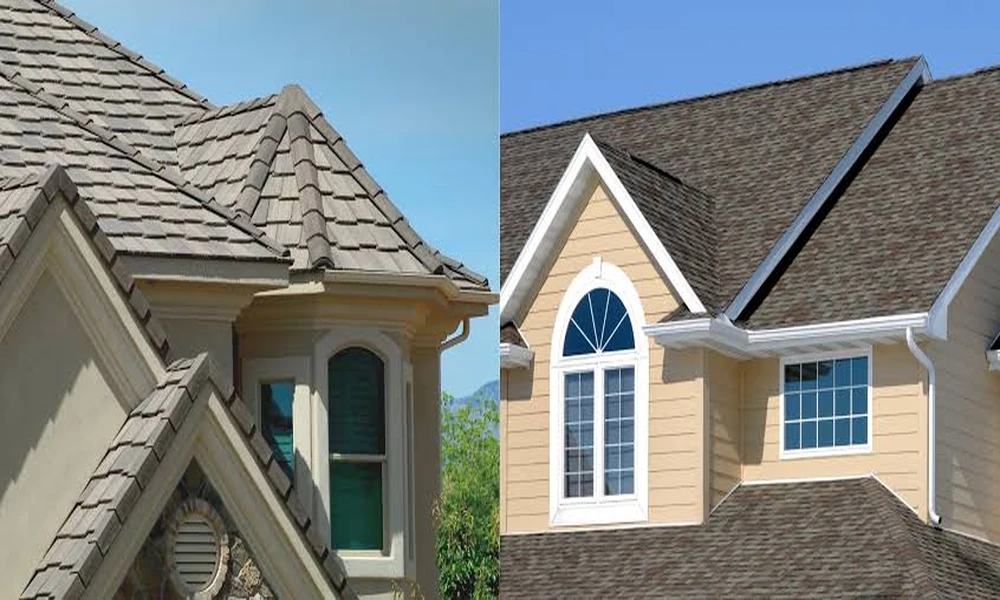
From the cottonwood stretches along the Boise River to the newer streets climbing into the foothills, most of Eagle sits under asphalt. Drive through almost any subdivision and the roofs look interchangeable, a sea of textured gray, brown and charcoal. That uniformity hides a surprising number of choices, and each one shapes how long the roof lasts and how it holds up when the weather turns.
Many neighborhoods here also have architectural committees that want to approve shingle color and style before work begins, which adds a layer of planning most people don’t expect. Homeowners shopping for Eagle asphalt services tend to compare bids on price alone, yet the bids rarely describe the same roof.
One Treasure Valley contractor lays this out in two tiers. Its budget package uses architectural shingles, while the upgraded tier starts with Malarkey Vista and climbs to Legacy and Windsor, both made with polymer modified asphalt. Every install there swaps plastic vents for metal ones and carries a $500 allowance for rotten decking found once the old layer is gone. Seeing two tiers written out like that makes it easier to understand what the decisions below actually change.
Flat Tabs or Dimensional Layers
The first choice is the shingle’s profile. Three tab shingles, the flat single layer style common on older homes, have mostly disappeared from new installs. Architectural shingles, also called laminated or dimensional, bond two layers together for a thicker, shadowed look. They weigh more, hold up better in wind and usually carry longer warranties. Designer shingles go further, mimicking slate or cedar shake with heavier profiles and a higher price.
For most Eagle homes, architectural shingles are the practical middle. They meet what most HOAs expect, handle the gusty fronts that push across the valley, and cost far less than designer lines. Designer profiles make sense mainly on custom homes where the roof is a large, visible part of the design.
Rubbery Asphalt Versus Brittle Asphalt
What’s inside the shingle matters as much as its shape. Conventional shingles use oxidized asphalt, which stiffens with age and turns brittle once summer UV drives out its oils. Polymer modified shingles blend in rubbery compounds, often SBS, so the asphalt stays flexible for years longer.
That flexibility pays off in two ways in this climate. Cold January mornings won’t crack a shingle that bends, and hail is less likely to fracture the mat. Many modified shingles earn a Class 4 impact rating under the UL 2218 test, and some insurers offer premium credits for that rating. Asking an agent before choosing a product can turn a modest upgrade into something that pays back over time.
Color Choices Beyond the HOA Palette
Color is usually picked for curb appeal, but it also affects heat. Dark shingles under a high desert sun get far hotter than lighter ones, and attic temperatures follow. Some manufacturers now offer reflective granules in mid tones so a homeowner doesn’t have to choose between a cooler roof and an approved color.
Algae streaking, a headache in humid regions, is rare in Eagle’s dry air. North facing slopes shaded by big cottonwoods near the river can still collect moss and debris, though, and shingles with copper or zinc treated granules help there. It’s a small detail worth checking on wooded lots.
A Fire Rating That Fits the Foothills
As Eagle grows north into the foothills, more homes sit near open sagebrush and grass, exactly where wind can carry embers far ahead of a fire. Fiberglass asphalt shingles carry a Class A fire rating, the highest available. According to Idaho Firewise, homes without fire resistant roofs are up to 21 times more likely to be destroyed by wildfire.
The shingle is only part of the defense. Embers find their way through unscreened attic vents, catch in gutters packed with dry leaves and cottonwood fluff, and settle where a roof meets a wall. Metal vents with fine mesh and regular gutter cleaning do as much for fire safety as the rating printed on the bundle.
What Should Appear on the Estimate
Two bids for “a new asphalt roof” can describe very different jobs. The pieces underneath the shingles rarely show from the street, so the written estimate is the only place to confirm them. Look for these line items before signing.
- Full tear off and deck inspection, with a clear price for replacing soft or damaged sheathing.
- Ice and water membrane along the eaves, in valleys and around chimneys and skylights.
- Synthetic underlayment across the rest of the deck, which resists tearing and wrinkling better than felt.
- Drip edge and starter strips at every edge, where wind first tries to lift shingles.
- Balanced ventilation, meaning enough intake at the soffits to match the exhaust near the ridge.
- New flashing at pipes, walls and chimneys, rather than old metal reused around new shingles.
- Disposal and cleanup, including a magnetic sweep of the yard and driveway for stray nails.
If any of these are missing or vague, it’s fair to ask why. A low bid often gets that way by quietly reusing old flashing or skipping the membrane, and those are the shortcuts that show up later as leaks.
Timing the Work and Clearing the Paperwork
The last decision is when and how the job happens. Laying new shingles over the old layer saves a tear off but traps heat, hides deck damage and often limits warranty coverage, so a full tear off is the better call on nearly every home. Re-roofing in Idaho generally falls under the state’s adopted residential code, and the City of Eagle building department can confirm whether a permit is needed for a specific address.
Season matters too. Shingles rely on a heat activated strip to seal to each other, and that strip needs warmth to bond. Late spring and early fall are ideal in the valley. Midsummer heat softens shingles enough that careless foot traffic can scuff them, while a winter install may need hand sealing so the shingles don’t lift before spring warms them.
Manufacturer warranties add one more wrinkle. The longest coverage usually requires a certified installer, matching accessories from the same brand and ventilation that meets the maker’s specs. A roof can use premium shingles and still end up with basic coverage if those conditions aren’t met, so it’s worth asking which warranty will actually be registered once the job is done.
Taken together, these six decisions are less a checklist than a chain. The profile affects wind resistance, the asphalt affects hail and cold, the color affects heat, the rating affects fire risk, and everything underneath decides whether the rest gets to do its job. A homeowner who understands how they connect can read two very different estimates and see clearly which one describes the roof they actually want overhead for the next few decades.