
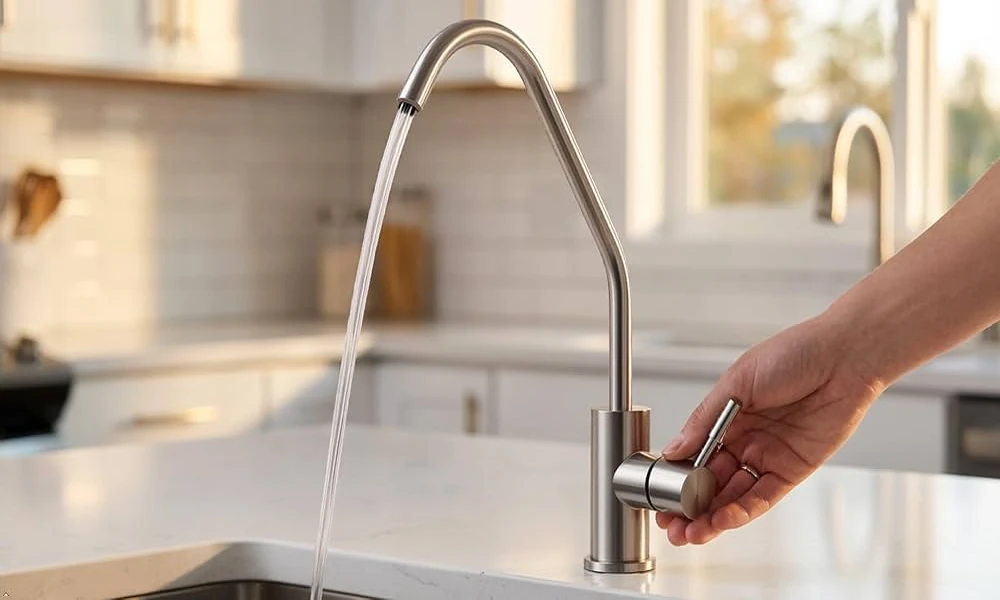
Most people assume the water running from their kitchen faucet is the same water every day of the year. Around Lutz, that is not quite true. The tap is fed by a regional system that mixes water from very different places, and the recipe shifts with rainfall, demand, and maintenance schedules hundreds of miles of pipe away.
That shifting recipe rarely makes the news, yet it shows up in small ways inside a house. Scale builds faster in some months than others. A toilet flapper gives out sooner than expected. The shower smells faintly of a swimming pool for a few weeks and then goes back to normal.
When those small things start piling up, a good Lutz plumber will usually ask about the water before reaching for a wrench. Black Ops Plumbing & Service, the licensed shop on Foxwood Drive, handles filtration and water heater work alongside everyday repairs, and that pairing makes sense once you understand what the local supply is doing to fixtures over time.
Where the Water Actually Comes From
Lutz homes on county water receive supply that ultimately traces back to Tampa Bay Water, the wholesale utility serving Hillsborough, Pasco, and Pinellas counties. It blends three sources.
- Groundwater pumped from wellfields tapping the Floridan aquifer, which remains the largest share of the supply and tends to be hard and mineral rich.
- Surface water drawn from the Hillsborough and Alafia rivers and the Tampa Bypass Canal, with extra stored in the C.W. Bill Young Regional Reservoir. Its character changes with the rainy season.
- Desalinated seawater from the plant at Apollo Beach, built beside the TECO Big Bend power station, which starts out nearly free of minerals.
Tampa Bay Water describes on its own blog about the regional system how it moves production between these sources to meet demand and respond to weather. The desalination plant also goes offline for maintenance every summer. Each of those shifts nudges the chemistry reaching your pipes a little one way or the other.
Hardness Comes and Goes, but Scale Stays
Groundwater moving through limestone picks up calcium and magnesium. When the blend leans heavily on wellfields, usually in the long dry stretch from late fall into spring, that mineral load climbs, and heated water drops it fastest.
The tank water heater takes the first hit. Minerals settle on the bottom as sediment, insulating the water from the burner or element, so the heater works longer for the same shower. The popping and rumbling sound many Lutz homeowners hear is water trapped under that crust flashing into steam. Tankless units suffer differently, with scale coating the narrow passages of the heat exchanger until the unit throws an error code or the water runs lukewarm.
Changing water can also loosen old scale. When a softer blend arrives after months of hard water, flakes sometimes break free and lodge in faucet aerators, showerheads, and the small screens at the inlet of washing machines and dishwashers. A faucet that suddenly sputters with no other symptom often has nothing more than a clogged aerator.
A sensible upkeep routine for the water heater looks like this.
- Drain a few gallons from the tank’s drain valve every six months to a year and watch for cloudy or gritty water.
- Flush the tank fully once a year, more often if the sediment keeps coming.
- Have a tankless unit descaled with a vinegar or descaling solution through its service valves on the schedule the manufacturer lists.
- Check the anode rod every few years, since a rod eaten down to bare wire leaves the tank itself to corrode.
The Disinfectant Is Harder on Rubber Than on People
Many utilities across the Tampa Bay region keep water safe in long distribution lines with chloramine, a combination of chlorine and a small amount of ammonia that lasts longer than chlorine alone. It is safe to drink, but it has a reputation among plumbers for being tough on certain rubber compounds.
Toilet flappers and fill valves. Standard rubber flappers can swell, soften, or warp, which leads to a running toilet or a tank that refills on its own every few minutes. Replacement parts labeled chloramine resistant tend to last noticeably longer.
Faucet washers and cartridge seals. Drips that return a year after a repair are sometimes a material problem rather than a workmanship one.
Appliance hoses. Rubber washing machine and icemaker lines age faster, which is one more reason braided stainless hoses are worth the small upgrade.
Chloramine also changes how filtration works. Ordinary carbon pitchers and basic under sink cartridges remove free chlorine well but struggle with chloramine. Catalytic carbon media, or a reverse osmosis system for drinking water, handles it far better. Households with aquariums or home dialysis equipment need to treat for it no matter what.
Utilities that rely on chloramine typically switch to straight chlorine for a few weeks every so often to clean their mains. That is when the pool smell appears. It passes, though it is a good moment to notice which fixtures leak or drip, since a sudden chemistry change sometimes exposes a seal that was already tired.
Copper, Stains, and the Smell of Eggs
Water chemistry also affects metal. Utilities adjust the blend to keep it from eating at pipes, but older copper lines in homes from the 1970s and 1980s can still develop blue green staining under fixtures or tiny pinhole leaks, especially where water velocity is high near elbows or where the original installation left rough cuts. A stain in a tub or sink that appears after years of nothing is worth mentioning to whoever services the house.
Not every Lutz property is on county water. Some larger lots on the semi rural edges still draw from private wells, and Florida well water commonly carries iron, which leaves orange stains, and hydrogen sulfide, which smells like rotten eggs. If that smell appears only from the hot side, the water heater’s magnesium anode may be reacting with sulfate in the water. Swapping to an aluminum zinc or powered anode often solves it without touching the well.
Reading the House Before Treating the Water
The smartest step comes before buying any equipment. The county’s annual water quality report lists hardness and disinfectant levels, and inexpensive test strips confirm what is reaching your own tap. Well owners benefit from a lab test that checks iron, sulfur, and bacteria.
With real numbers in hand, the choice gets simpler. A softener addresses hardness and protects heaters and fixtures but does nothing for chloramine taste. Catalytic carbon handles the disinfectant without touching minerals. Some homes need both, and many only need a better faucet cartridge and a yearly tank flush. Matching the fix to what the water is actually doing in your particular house is what keeps a moderate maintenance habit from turning into a steady stream of service calls.