
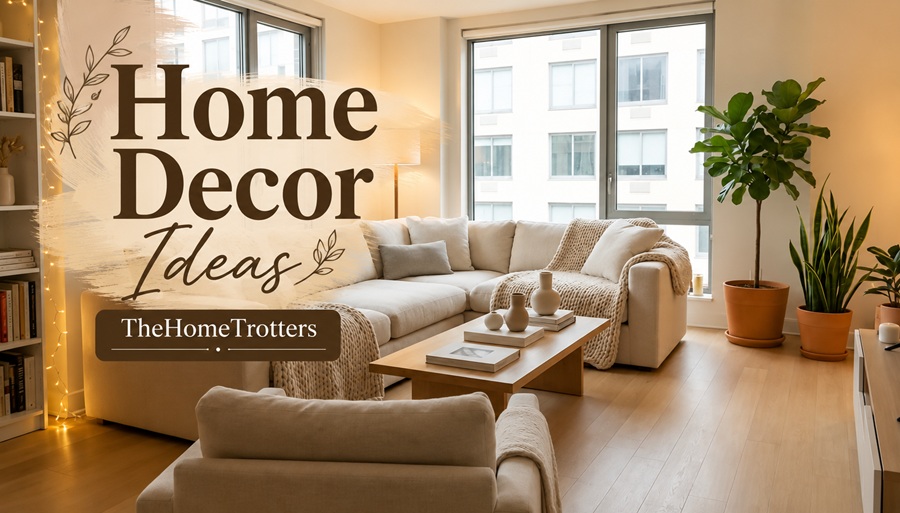
Decorating a home is not about chasing trends or spending a fortune on a single statement piece. It is about understanding your space, working with what you already have, and making intentional changes that genuinely improve how you live. This is the philosophy at the heart of the home decor ideas TheHomeTrotters is known for: practical, accessible inspiration that works in real homes rather than just in photographs.
Whether you are refreshing a small apartment, reimagining a family living room, or simply looking for low-cost ways to make a tired space feel new, the ideas below pull together the grounded, usable approach that defines TheHomeTrotters style of home decorating.
The Core Idea: Space Is About How You Use It
One principle runs through nearly all of the home decor ideas TheHomeTrotters shares: space is not only about size, it is about how you use it. A small room can feel open and calm if the layout is clear and nothing is competing for attention. A large room can feel cramped and chaotic if it is packed without thought.
The most common mistake people make is trying to fill every available corner. This almost always makes a space feel smaller and busier. Leaving some areas open is not wasted space. It gives the room room to breathe, makes daily movement easier, and creates the sense of calm that turns a house into a comfortable home. This is especially true in apartments and smaller homes, where every step and every surface matters.
Before buying anything new, the most valuable first step is simply looking at how you actually move through and use a room day to day, then arranging it to support that rather than working against it.
Lighting: The Most Underrated Decorating Tool
If there is one decorating element that consistently gets overlooked, it is lighting. The right lighting can transform a plain space into a warm, inviting one, while poor lighting makes even a well-decorated room feel flat and uncomfortable.
The key principle in the home decor ideas TheHomeTrotters approach is to stop relying on a single overhead light. One source is never enough. Layering different types of light creates depth and atmosphere:
A combination of ceiling lights for general illumination, floor and table lamps near seating areas, and smaller accent lights creates a far more dynamic and comfortable space than one central fixture ever could. Warm-toned light works beautifully in living rooms and bedrooms where the goal is to relax, while cooler, brighter light performs better in kitchens and workspaces where you need to concentrate.
When lighting is done well, you actually need fewer decorations. A room that is lit thoughtfully already feels complete on its own.
How Do You Decorate a Small Space Without Making It Feel Cramped?
This is one of the most common questions, and it has become especially relevant as more people across the United States live in smaller homes and apartments. The answer comes down to a few reliable strategies.
Use vertical space. Most people forget how much storage their walls can provide. When shelving and cabinets go upward rather than outward, floor and counter space stays open and usable. This single shift changes how a small room feels more than almost anything else.
Choose appropriately scaled furniture. A compact space does not mean sacrificing function. It means choosing pieces that fit the room rather than forcing oversized furniture into a space that cannot accommodate it. Multi-function furniture such as storage beds, foldable tables, and modular sofas is particularly effective, adding utility without clutter.
Keep the color palette light. Light colors, including white, soft gray, and muted tones, reflect more light and make rooms feel larger and more open. This is why these shades appear so often in smaller US homes.
Leave breathing room. As above, resisting the urge to fill every surface is what keeps a small space feeling open rather than crowded.
Color: The Easiest Way to Change How a Space Feels
Color is one of the simplest and most affordable ways to transform a room, and it has a powerful effect on mood, light, and atmosphere. Light colors make rooms feel larger and brighter, while deeper tones add depth and a sense of coziness.
The home decor ideas TheHomeTrotters approach encourages balance rather than saturation. Keeping strong colors limited and using them as accents rather than dominant tones prevents a space from feeling heavy or chaotic. A neutral base with one or two carefully chosen accent colors, introduced through cushions, art, or a single painted wall, creates a look that feels intentional and polished rather than busy.
Color is also one of the easiest ways to express personality. The shades you surround yourself with, along with the everyday objects you choose to display, make a space feel like yours.
Furniture: Function First, Then Style
Furniture does more than fill a room. It determines how functional and comfortable a space actually is. The guiding principle is to choose pieces that are both stylish and genuinely useful in daily life.
Investing in good-quality foundational furniture pays off over time, both in durability and in comfort. Multi-function pieces are especially valuable in modern homes where space is at a premium. A storage bed, a coffee table with hidden compartments, or a sofa that converts for guests adds real utility without adding visual clutter.
Beyond the large pieces, smaller decorative elements such as cushions, rugs, curtains, and throws allow you to experiment with style without committing to permanent changes. Layering textures, combining soft materials with natural ones like wood or metal, creates a balanced and inviting look that feels considered rather than accidental.
Bringing in Natural Elements
One of the most consistently effective home decor ideas TheHomeTrotters highlights is the use of natural elements. Plants, wooden furniture, woven baskets, and natural textures bring a sense of life and calm to a space that manufactured materials cannot replicate.
Indoor plants are among the simplest ways to make a room feel fresh and welcoming. Easy-care options like succulents, snake plants, and pothos thrive with minimal attention and can be placed on windowsills, shelves, or side tables to add life without demanding much in return. Beyond plants, natural materials such as wood, stone, rattan, and clay add warmth and texture that ground a room and make it feel more relaxed and lived-in.
Is It Possible to Refresh a Room on a Budget?
Yes, and this is central to the home decor ideas TheHomeTrotters philosophy. You do not need a full renovation or a large budget to make a room feel completely different.
Some of the most effective low-cost changes include swapping out textiles such as duvet covers, throws, and pillowcases for an immediate refresh, rearranging existing furniture to improve flow, repurposing pieces you already own, and adding a few inexpensive accent items rather than replacing everything. A small amount of paint on a single accent wall can transform a room for very little money.
The underlying idea is that meaningful change comes from intention and creativity far more than from spending. Working with what you have, and making deliberate rather than impulsive choices, produces a home that feels personal and well put together without straining your finances.
Make the Space Personal
Ultimately, a home is more than walls and furniture. It is an expression of character, comfort, and the way you actually live. The most successful decorating, and the thread that ties together every one of these home decor ideas, is the addition of personal touches that make a space unmistakably yours.
Displaying favorite photographs, cherished objects, handmade items, or meaningful mementos turns a generic room into a home. A gallery wall of framed pictures, a shelf of treasured books, or a few objects collected over the years carry more warmth than anything bought specifically to fill a space. Decorating is not a professional skill reserved for designers. It starts with knowing what you like and building outward from there.
Frequently Asked Questions
What makes the home decor ideas TheHomeTrotters approach different?
The focus is on practical, usable ideas that work in real homes rather than aspirational concepts that only look good in photos. The emphasis is on intention, budget-awareness, and working with the space and belongings you already have.
Do I need a big budget to redecorate?
No. Many of the most effective changes, such as swapping textiles, rearranging furniture, adding plants, or repainting a single wall, cost very little. Meaningful change comes from intentional choices far more than from spending.
What is the single most impactful decorating change?
Improving lighting. Moving away from a single overhead light toward layered lighting, with ceiling lights, lamps, and accent lights, transforms the feel of a room more dramatically than almost any other change.