
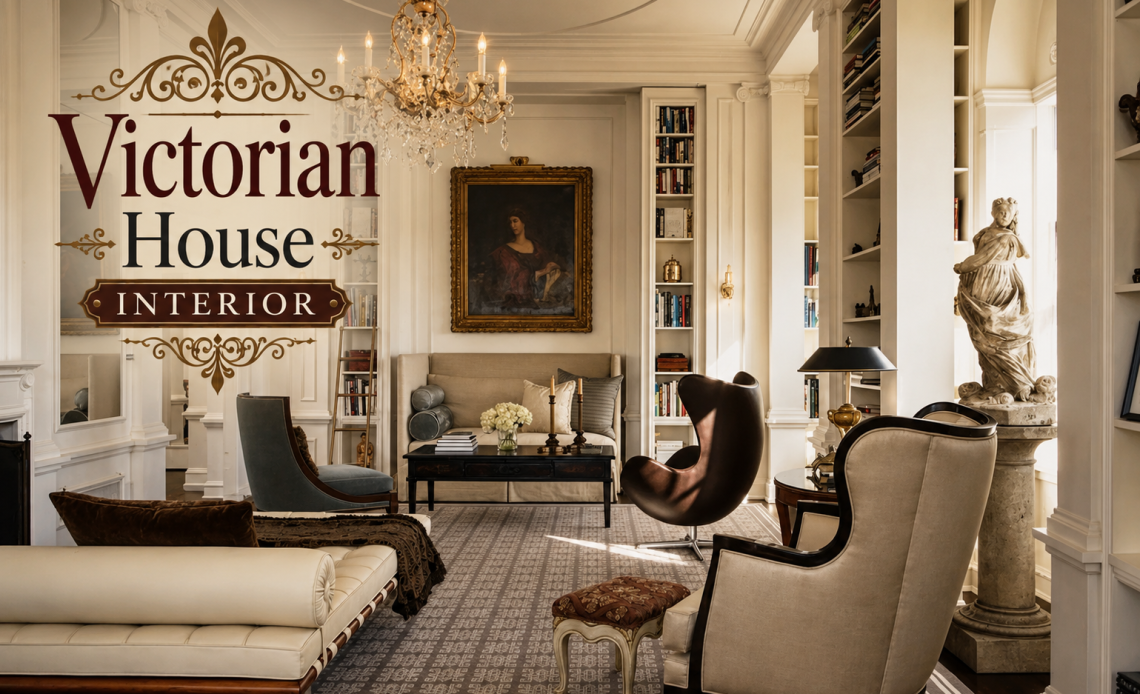
Few interior styles are as rich, dramatic, and instantly recognizable as the Victorian house interior. Born during the long reign of Queen Victoria in the nineteenth century, this style is defined by opulence, layering, bold colors, and an abundance of ornamentation and detail. A Victorian interior is a feast for the eyes, a celebration of craftsmanship, pattern, and comfort that reflected the confidence and prosperity of the era. For those who love character, history, and richly decorated spaces, few styles are as rewarding.
This guide explores what defines a Victorian house interior, the colors, materials, and features at its heart, and how to bring its distinctive character into a home today, whether you own a period property or simply love the timeless drama of Victorian style.
What Defines a Victorian House Interior?
The Victorian house interior refers to the decorating style of the Victorian era, which spanned roughly from 1837 to 1901 during the reign of Queen Victoria. It was a period of enormous social change, industrial progress, and growing prosperity, and the interiors of the time reflected this confidence through richness, abundance, and elaborate decoration.
Victorian interiors are defined above all by opulence and layering. Rooms were richly decorated, filled with patterned wallpapers, heavy textiles, ornate furniture, and an abundance of decorative objects. Where earlier styles had shown restraint, the Victorians embraced abundance, filling their homes with color, pattern, texture, and ornamentation in a way that expressed both their taste and their status.
The era’s industrial advances made decorative goods more widely available than ever before, allowing the growing middle classes to fill their homes with furnishings, ornaments, and elaborate details. The result was interiors of great richness and density, dramatic, comfortable, and full of character, that remain instantly recognizable and much loved today.
The Signature Features of Victorian Interiors
Several distinctive architectural and decorative features define the classic Victorian house interior, and recognizing them is key to understanding and recreating the style. These elements give Victorian homes their characteristic richness and craftsmanship.
Elaborate architectural details are fundamental. Victorian homes are known for their ornate plasterwork, including decorative ceiling roses, cornicing, and corbels, as well as picture rails, dado rails, and deep skirting boards. Ceilings were often high, especially in principal rooms, giving a sense of grandeur, and these architectural details added layers of decorative interest throughout.
Fireplaces were the heart of the Victorian room and are one of the most beloved features, often elaborately designed with decorative surrounds, cast iron inserts, and beautiful tiling. Decorative tiles more generally were a Victorian signature, appearing in hallways, around fireplaces, and in porches, frequently in rich colors and intricate patterns.
Other characteristic features include ornate wooden joinery and paneling, elaborate staircases, stained and etched glass in windows and doors, sash windows, and often bay windows that added grandeur and light. High-quality craftsmanship runs throughout, reflecting the era’s appreciation for detailed, decorative workmanship. Together, these features create the layered, ornamented richness that defines the Victorian interior.
The Victorian Color Palette
Color is one of the most striking aspects of the Victorian house interior, and it sets the style apart from the lighter eras that followed. Where later styles favored soft, muted tones, the Victorians embraced deep, rich, and dramatic colors.
The characteristic Victorian palette is built on bold, saturated shades. Deep reds, rich burgundies, forest and emerald greens, dark blues, warm browns, mustard yellows, and jewel tones were all popular, creating interiors of great depth, warmth, and drama. These rich colors suited the era’s love of opulence and worked beautifully with the ornate furnishings and abundant pattern the Victorians favored.
Deeper into the era, these bold colors were often layered and combined in ways that feel maximalist by modern standards. Walls were frequently divided horizontally by dado and picture rails, allowing different colors, patterns, and treatments to be used in the same room. This rich, layered use of color is central to the Victorian look, though it can be adapted to modern taste by using the era’s colors more selectively as dramatic accents.
Wallpaper, Pattern, and Textiles
If any single element captures the spirit of the Victorian interior, it is the abundant use of pattern, expressed through wallpaper and textiles. The Victorians loved pattern, and their homes were rich with it.
Wallpaper was central to the Victorian interior and was used lavishly. Elaborate patterns featuring florals, botanicals, damasks, and intricate repeating designs covered walls, and it was common to use different wallpapers in the same room, divided by dado and picture rails. The Arts and Crafts movement that emerged later in the era produced some of the most celebrated wallpaper designs, with stylized natural and botanical motifs that remain iconic and widely reproduced today.
Textiles added to the layered richness. Heavy, luxurious fabrics such as velvet, brocade, damask, and silk were used generously for curtains, upholstery, cushions, and table coverings. Windows were often elaborately dressed with layered curtains and drapery. Rich rugs and carpets, frequently patterned, covered floors. This abundant layering of pattern and texture, wallpaper upon textile upon rug, is what gives the Victorian interior its characteristic density and warmth.
Victorian Furniture and Decoration
Furniture in the Victorian house interior was ornate, substantial, and richly crafted, reflecting the era’s love of decoration and comfort. Understanding it is key to recreating the look.
Victorian furniture tended to be elaborate and heavily detailed, featuring carved wood, curved forms, and rich upholstery. Dark woods such as mahogany, walnut, and rosewood were favored, often polished to a deep shine. Upholstered pieces were generously padded and covered in sumptuous fabrics, sometimes deeply buttoned, prioritizing comfort as well as display. Furniture was frequently substantial and imposing, contributing to the sense of richness and abundance.
Decoration in the Victorian interior was famously abundant. Rooms were filled with decorative objects, ornaments, framed pictures and mirrors, vases, clocks, candlesticks, books, and countless treasures displayed on mantelpieces, shelves, and surfaces. This love of accumulation and display, of surrounding oneself with beautiful and interesting objects, is a defining characteristic of the style. Plants and greenery were also popular, with the Victorians particularly fond of ferns and potted palms, often displayed in decorative stands.
How Do You Create a Victorian Look in a Modern Home?
Many people love the drama and character of the Victorian style but want a home that suits contemporary living, and blending the two is very achievable. Creating a modern Victorian look honors the era’s richness while keeping the space livable, and a few key approaches make this possible.
The most important starting point is to preserve and celebrate original period features wherever they exist. In a period home, retaining and restoring elements such as fireplaces, cornicing, ceiling roses, decorative tiles, and stained glass keeps the home’s authentic character intact, and these become beautiful focal points. Where such features have been lost, reproduction period details can help restore the character.
From there, the Victorian palette and pattern can be embraced selectively. Rather than covering every surface as the Victorians did, many people today use the era’s rich colors and bold patterns more purposefully, perhaps a deep, dramatic color on the walls of one room, a striking period-style wallpaper on a feature wall, or rich jewel tones introduced through textiles and furnishings. This captures the drama and richness of the style while keeping the space feeling current and uncluttered.
Blending old and new is the essence of the modern approach. Combining Victorian architectural character, a few ornate antique or period-style pieces, and rich colors and textiles with cleaner contemporary elements and modern comforts creates a home that is full of character yet genuinely livable. Layering textures, incorporating quality craftsmanship, and adding personal collections and objects in the Victorian spirit complete the look, resulting in a space that feels rich, characterful, and timeless without being overwhelming.
Room-by-Room Victorian Style
Victorian style can be expressed throughout the home, with each room offering its own opportunities for richness and character. In the living room or parlor, the fireplace typically serves as the ornate focal point, complemented by rich colors, patterned wallpaper, substantial furniture, layered textiles, and displayed collections. In the hallway, original tiled floors, elaborate staircases, and stained glass create a grand and welcoming first impression.
In the dining room, deep dramatic colors, a substantial table, and rich furnishings create an atmosphere of warmth and occasion. In bedrooms, patterned wallpapers, layered textiles, and ornate furniture create richly comfortable retreats. In kitchens and bathrooms, where modern function is essential, blending period-inspired details such as classic fixtures, traditional tiling, and heritage colors with contemporary appliances creates rooms that respect the home’s character while meeting modern needs. Throughout, the consistent themes are richness, pattern, craftsmanship, and the layered abundance that defines Victorian style.
Frequently Asked Questions
What defines a Victorian house interior?
A Victorian house interior is defined by opulence, layering, and abundant ornamentation. Emerging between 1837 and 1901, it features rich, deep colors, patterned wallpapers, heavy luxurious textiles, ornate furniture, elaborate architectural details like ceiling roses and decorative fireplaces, and an abundance of decorative objects.
What colors were used in Victorian interiors?
Victorian interiors favored deep, rich, dramatic colors including burgundy and deep reds, forest and emerald greens, dark blues, warm browns, mustard yellows, and jewel tones. These bold, saturated shades created the depth, warmth, and drama the style is known for.
How do you make a Victorian interior work in a modern home?
Preserve original period features like fireplaces, ceiling roses, and stained glass, and embrace the era’s rich colors and patterns selectively rather than covering every surface. Blending a few ornate period pieces and dramatic colors with cleaner contemporary elements and modern comforts creates a characterful yet livable modern Victorian look.