
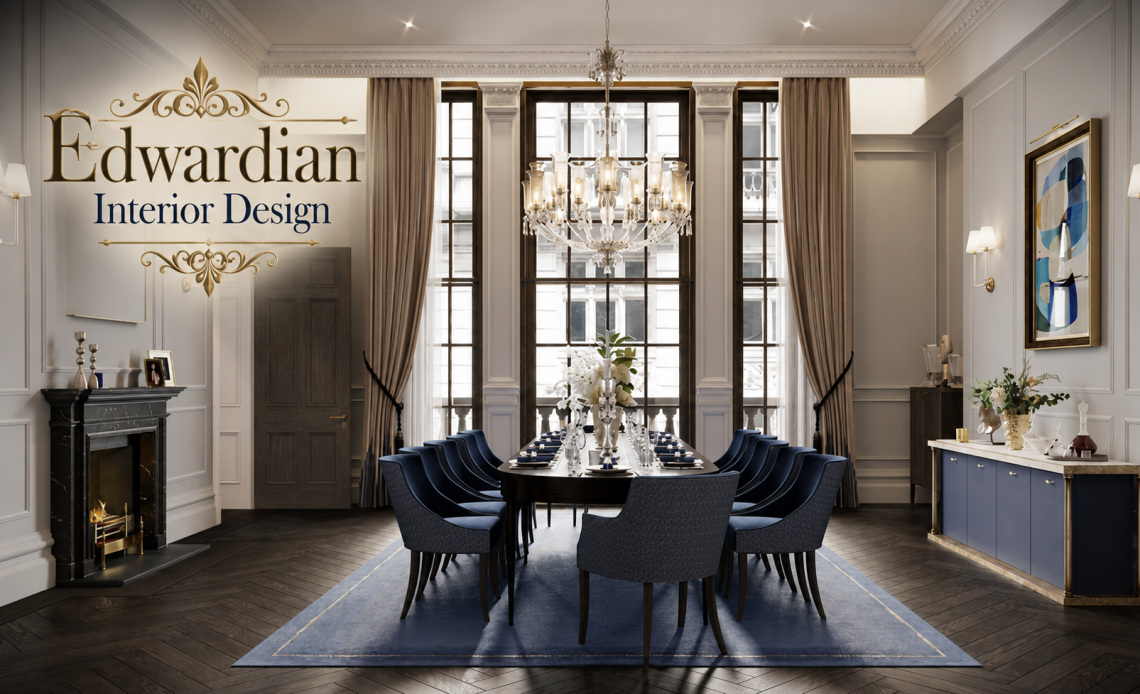
Edwardian interior design occupies a special place in the history of the home. Emerging in the early years of the twentieth century, it marked a graceful transition from the heavy, ornate opulence of the Victorian era toward the lighter, brighter, more comfortable homes we recognize today. Edwardian interiors feel airy, refined, and welcoming, balancing period elegance with a newfound sense of simplicity and light. It is a style that continues to enchant homeowners, whether they live in an original period property or simply love its timeless charm.
This guide explores what defines Edwardian interior design, the colors, materials, and features at its heart, and how to bring its distinctive character into a home today, blending heritage with modern living.
What Is Edwardian Interior Design?
Edwardian interior design refers to the decorating style of the Edwardian era, which spanned roughly from 1901 to 1910 during the reign of King Edward VII, though its influence extended a little beyond those years. It developed as a reaction against the dark, cluttered, heavily ornamented interiors of the preceding Victorian period, embracing instead a lighter, fresher, and more relaxed approach to the home.
Where Victorian rooms tended to be busy and richly layered, Edwardian interiors introduced more space, more light, and a gentler palette. This was an era influenced by movements such as Arts and Crafts, which celebrated craftsmanship, quality materials, and simpler, more honest design. The result was a style that retained elegance and period detail while feeling notably airier and more comfortable than what came before.
At their heart, Edwardian interiors are characterized by light and airy spaces, soft and muted colors, quality natural materials, elegant but restrained detailing, and a sense of comfort and refinement. Edwardian decor strikes a balance between the grandeur of the past and the growing desire for simpler, brighter, more livable homes, which is a large part of why the style feels so appealing and adaptable even now.
The Signature Features of Edwardian Interiors
Several distinctive features define the classic Edwardian house interior, and recognizing them is the key to understanding and recreating the style. These architectural and decorative elements give Edwardian homes their characteristic charm.
Light and space are the defining qualities. Edwardian homes were typically designed with larger windows, higher ceilings in principal rooms, and more generous proportions than earlier terraced houses, allowing far more natural light to flood in. Wide hallways and a sense of openness were valued, creating the bright, airy feeling that distinguishes Edwardian interiors from their Victorian predecessors.
Period architectural details remain important. Edwardian homes often feature elegant but relatively restrained decorative details, including picture rails, dado rails, cornicing, and ceiling roses, though these tend to be simpler and less elaborate than heavy Victorian ornamentation. Wooden floors, often in parquet or wide boards, and characterful fireplaces are common features, as are stained or leaded glass in windows and front doors, a beloved Edwardian signature.
Other typical features include panelled doors, deep skirting boards, bay windows that further enhance the light and space, and built-in elements. The overall effect is one of refined, well-crafted detail that adorns without overwhelming, in keeping with the era’s move toward lighter, more elegant interiors.
The Edwardian Color Palette
Color is one of the clearest ways Edwardian interiors distinguished themselves from the Victorian era, and understanding the palette is essential to capturing the look. Where Victorian rooms favored deep, rich, sometimes dark tones, Edwardian decor embraced lighter, softer, and more delicate colors.
The characteristic Edwardian palette is built on soft, muted, and pastel shades. Gentle tones such as soft greens, pale blues, warm creams, soft whites, dusty pinks, lilacs, and light greys were popular, creating the fresh, airy atmosphere the era is known for. These lighter colors reflected the newfound emphasis on light and space and lent Edwardian rooms their characteristic sense of calm and elegance.
Natural and floral influences were also present, reflecting the era’s love of gardens and nature, with botanical motifs and soft floral patterns appearing in wallpapers and textiles. White paintwork on woodwork, doors, and trim was common, brightening rooms and framing the softer wall colors. This restrained, gentle palette is one of the most recognizable and appealing aspects of Edwardian style, and it translates beautifully to contemporary tastes.
Materials, Furniture, and Decoration
The materials and furnishings of Edwardian interiors reflect the era’s appreciation for quality, craftsmanship, and a lighter touch than the Victorian period. Understanding them helps in recreating an authentic Edwardian feel.
Natural materials were central, in keeping with the influence of the Arts and Crafts movement. Quality wood featured prominently in flooring, furniture, and architectural details, with lighter woods such as oak, satinwood, and mahogany all appearing. Furniture tended to be more elegant, refined, and less bulky than heavy Victorian pieces, with cleaner lines and a lighter feel, though still crafted with care and quality.
Textiles played an important role in adding comfort and softness, with fabrics such as linen, cotton, chintz, and silk used for curtains, upholstery, and cushions, often in floral or botanical patterns. Wallpaper remained popular, frequently featuring the soft floral and nature-inspired designs the era loved, and was often used above a dado or picture rail with paint or paneling below.
Decoration in Edwardian interiors was more restrained than in Victorian homes, reflecting the move toward simplicity and light. Rooms were less cluttered, with carefully chosen furnishings and decorative objects rather than the dense accumulation of the previous era. This more considered approach to decoration is part of what gives authentic Edwardian interiors their elegant, uncluttered charm.
How Do You Create Modern Edwardian Interior Design?
Many people today love the character of the Edwardian style but want a home that suits contemporary living, and blending the two is very achievable. Modern Edwardian interior design honors the period’s elegance while adapting it for modern comfort, and a few key approaches make this possible.
The foundation is to preserve and celebrate original period features wherever they exist. In an Edwardian style house interior, retaining and restoring elements such as fireplaces, cornicing, picture rails, wooden floors, and stained glass keeps the home’s authentic character intact, and these features become beautiful focal points around which contemporary elements can be arranged.
From there, the Edwardian palette translates effortlessly to modern taste. Embracing the soft, light, muted colors of the era creates the airy, elegant backdrop that suits both period and contemporary furnishings. Many people pair a heritage-inspired color scheme with cleaner, more modern furniture, mixing antique or period-style pieces with contemporary ones for a look that feels collected and current rather than like a museum recreation.
Balancing old and new is the essence of the modern approach. Combining Edwardian architectural character and a few period or antique pieces with modern comforts, contemporary furniture, updated kitchens and bathrooms, and current lighting creates a home that is both full of heritage charm and genuinely livable. Keeping the space relatively uncluttered, in the spirit of the era’s move toward simplicity, and layering in natural materials, quality textiles, and soft florals or botanicals completes the look. The result is modern Edwardian interiors that feel timeless, elegant, comfortable, and personal.
Room-by-Room Edwardian Style
Edwardian style can be applied throughout the home, with each room offering its own opportunities to express the era’s elegance. Understanding how the style works in different spaces helps in creating a cohesive Edwardian style house interior.
In the living room, a period fireplace often serves as the focal point, complemented by soft muted walls, elegant furniture, quality textiles, and perhaps a floral or botanical touch. In the hallway, original features such as tiled floors, wooden staircases, and stained glass in the front door create a welcoming first impression full of period character.
In bedrooms, the soft Edwardian palette creates restful, elegant spaces, enhanced by quality textiles, floral touches, and refined furniture. In kitchens and bathrooms, where modern function is essential, blending period-inspired details such as classic cabinetry, traditional fixtures, and heritage colors with contemporary appliances and comforts creates rooms that respect the home’s character while meeting modern needs. Throughout, the consistent thread is light, elegance, quality, and the balance of period charm with comfortable living.
Why Edwardian Style Endures
Edwardian interiors have remained consistently admired, and their lasting appeal is easy to understand. The style captures a rare and appealing balance, combining the elegance, craftsmanship, and character of a bygone era with a lightness, simplicity, and comfort that feel remarkably modern.
Because Edwardian decor embraced light, space, softer colors, and a more restrained approach to decoration, it aligns naturally with contemporary tastes in a way that heavier historical styles do not. This makes it exceptionally adaptable, allowing period homes to be lived in comfortably today and enabling the style to be interpreted in fresh, modern ways. The quality and craftsmanship at the heart of the era also give Edwardian features an enduring beauty that continues to be treasured.
For those fortunate enough to live in a period property, or anyone drawn to its gentle elegance, Edwardian style offers a timeless foundation that feels both rich in heritage and wonderfully suited to modern life.
Frequently Asked Questions
What defines Edwardian interior design?
Edwardian interior design is defined by light, airy spaces, soft and muted colors, quality natural materials, and elegant but restrained period detailing. Emerging from 1901 to 1910, it moved away from heavy Victorian opulence toward brighter, simpler, more comfortable and refined interiors.
What colors are used in Edwardian decor?
Edwardian decor favors soft, light, and muted shades such as gentle greens, pale blues, creams, soft whites, dusty pinks, lilacs, and light greys. These delicate colors create the fresh, airy, elegant atmosphere that distinguishes the style from the darker Victorian palette.
How do you modernize an Edwardian house interior?
Preserve and celebrate original period features such as fireplaces, cornicing, and stained glass, embrace the soft Edwardian color palette, and blend period or antique pieces with contemporary furniture and modern comforts. Keeping spaces relatively uncluttered creates a modern Edwardian look that is elegant, characterful, and genuinely livable.