
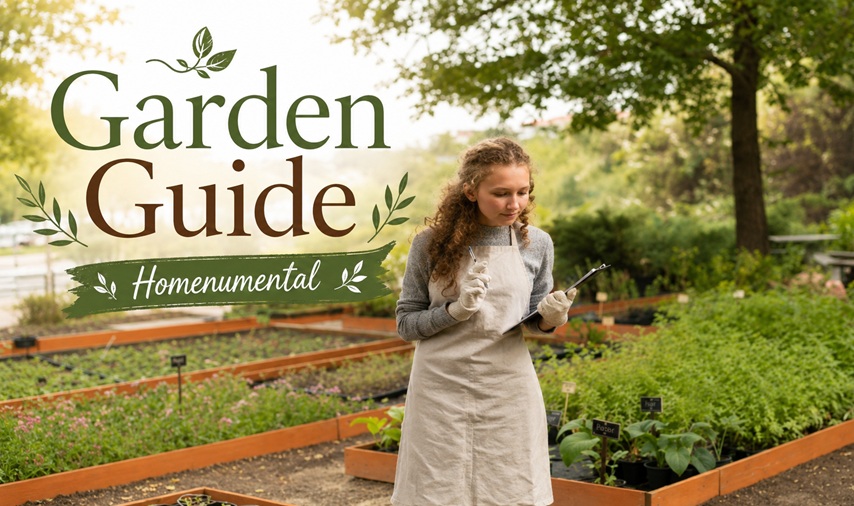
A garden is one of the most rewarding things you can create at home. It brings beauty, calm, and a genuine connection to nature right to your doorstep, and with a little understanding, it is something almost anyone can succeed at regardless of experience or space. The secret is not a natural green thumb but a grasp of a few fundamentals, and that is exactly what this Homenumental garden guide is built to give you.
Whether you are planning your very first garden, reviving a neglected one, or looking to grow with more confidence, this guide walks through the essentials, from understanding your space to choosing plants, preparing soil, and keeping everything healthy through the seasons.
Start By Understanding Your Space
Before planting anything, the most valuable thing you can do is understand the conditions of your garden, because working with your space rather than against it is the single biggest factor in success. Every garden has its own character, and the plants that thrive are the ones suited to what your space actually offers.
The most important factor is sunlight. Spend time observing how the sun moves across your garden through the day, and note which areas receive full sun, which get partial sun, and which stay in shade. Most vegetables and flowering plants need plenty of sun, while other plants prefer shade, so matching plants to the light they will actually receive is essential.
Climate is the other major consideration. Understanding your local climate and growing season, including when the last frost typically ends in spring and when the first frost arrives in autumn, tells you what you can grow and when to plant it. The Homenumental approach always begins with this honest assessment of light, climate, and space, because a garden planned around real conditions is a garden set up to succeed.
Why Does Soil Matter So Much?
If there is one thing experienced gardeners understand that beginners often overlook, it is that a great garden begins with great soil. Healthy soil is the foundation of healthy plants, providing the nutrients, water, and support that everything growing depends on. Time invested in soil pays off more than almost anything else.
Good garden soil is rich in organic matter, drains well while still holding moisture, and provides the nutrients plants need. Most soil can be improved significantly by adding compost, which enriches it with nutrients, improves its structure, and supports the beneficial organisms that keep soil alive and healthy. Working compost or other organic matter into your soil before planting is one of the most impactful things you can do for a garden.
It is also worth understanding your soil type. Sandy soils drain quickly but hold few nutrients, clay soils hold water and nutrients but can drain poorly, and loamy soil, the ideal, balances both. Whatever you start with, adding organic matter improves it over time. The Homenumental view treats soil not as mere dirt but as a living foundation worth nurturing, because everything else in the garden grows from it.
Choosing the Right Plants
With an understanding of your space and soil, choosing plants becomes far more straightforward, and getting this right is where many gardens succeed or struggle. The guiding principle is simple: choose plants suited to your conditions rather than trying to force plants that are not.
For beginners, starting with easy, forgiving plants builds confidence and success. Many herbs, leafy greens, and hardy flowering plants are wonderfully tolerant and reward new gardeners quickly. Native plants, those that grow naturally in your region, are also an excellent choice, because they are adapted to your local climate and soil and typically require far less effort to thrive while supporting local wildlife.
Consider what you want from your garden as well. A vegetable garden offers the satisfaction of growing your own food, a flower garden brings color and attracts pollinators, and a mix of both is entirely possible. Think too about the mature size of plants, giving them room to grow, and about combining plants with similar needs for light and water so they can be cared for together. The Homenumental approach encourages starting modestly and expanding as your confidence grows, rather than attempting too much at once.
Watering Wisely
Water is essential, but how you water matters as much as how much. Many common garden problems come from watering incorrectly rather than from the amount of water itself, so understanding good watering habits prevents a great deal of trouble.
The general principle is to water deeply and less frequently rather than shallowly and often. Deep watering encourages roots to grow downward, creating stronger, more resilient plants, while frequent light watering keeps roots near the surface where they are vulnerable. Watering in the early morning is ideal, giving plants moisture for the day ahead and allowing foliage to dry, which helps prevent disease.
It is also important to match watering to the needs of your plants and the weather. Newly planted gardens need more consistent moisture while establishing, established plants often need less, and rainfall should be taken into account rather than watering on a rigid schedule regardless of conditions. Checking the soil, if it is dry a couple of inches down, it is usually time to water, is more reliable than any fixed routine.
Caring for Your Garden Through the Seasons
A garden is a year-round endeavor, and understanding the rhythm of the seasons helps you know what to do and when. Each season brings its own tasks, and working with this natural cycle keeps a garden healthy and productive.
Spring is the season of preparation and planting, when soil is enriched, beds are prepared, and many plants go into the ground after the last frost. Summer is the season of growth and maintenance, when watering, weeding, and regular care keep everything thriving through the warmest months. Autumn is a time of harvest and preparation for the colder months, when many gardens are cleared, mulched, and readied for winter, and when many trees and shrubs are best planted. Winter, though quieter, is a time for planning, protecting tender plants, and dreaming up the year ahead.
Regular, small acts of care, weeding before problems spread, removing spent growth, watching for pests, and mulching to protect soil and retain moisture, keep a garden healthy with far less effort than occasional major interventions. The Homenumental approach favors this steady, attentive care over sporadic bursts of work, because a little consistent attention prevents most problems before they start.
How Do You Deal With Garden Pests Naturally?
Every gardener eventually encounters pests, and knowing how to respond calmly and naturally keeps a garden healthy without resorting to harsh measures. The goal is not to eliminate every insect but to keep problems in balance, since a healthy garden is a living ecosystem.
A great deal of pest management comes down to healthy, well-cared-for plants, which are naturally more resistant to pests and disease than stressed ones. Encouraging beneficial creatures, such as ladybugs, bees, and birds, helps keep pest populations naturally in check, and planting a diversity of plants supports this balance. When intervention is needed, gentle approaches, removing pests by hand, using barriers, or applying mild natural remedies, are usually enough for a home garden and avoid harming the beneficial life a garden depends on.
The Homenumental view is that a resilient, well-balanced garden largely takes care of itself, and that working with nature rather than against it is both easier and more rewarding than constant battle.
Start Small and Grow
Perhaps the most valuable piece of advice for any new gardener is to start small. It is far better to tend a modest garden well than to be overwhelmed by a large one, and the confidence and knowledge gained from early successes make expanding easy and enjoyable.
A few pots on a balcony, a single raised bed, or a small corner of a yard is a perfect beginning. As you learn how your space behaves, what thrives, and what you enjoy growing, your garden can grow with you. Gardening is a practice learned by doing, and every season brings new understanding. The Homenumental philosophy embraces this patient, growing journey, because the pleasure of gardening lies as much in the tending and learning as in the results.
Frequently Asked Questions
What is the most important thing for a successful garden?
Matching your plants to your actual conditions, especially sunlight and climate, and starting with healthy, organic-rich soil. Choosing plants suited to your space and giving them a good foundation matters more than any other single factor.
How often should I water my garden?
Water deeply and less frequently rather than shallowly and often, ideally in the early morning. Rather than following a fixed schedule, check the soil and water when it is dry a couple of inches down, adjusting for weather and the needs of your specific plants.
What should a beginner gardener start with?
Start small and choose easy, forgiving plants such as many herbs, leafy greens, and hardy flowers, or native plants suited to your region. A few pots or a single raised bed is an ideal beginning that builds confidence before expanding.