
Renovating an older home or apartment can be rewarding, but it can also disturb materials that have been hidden for decades. Asbestos was common in residential construction for much of the twentieth century, and breathing in fibers released during demolition or remodeling is a recognized cause of lung cancer. Because asbestos-related disease can take decades to appear, the decisions made during a renovation today can affect lung health many years from now.
This article explains how renovations can create exposure, how to plan a project safely, and what to do if you think asbestos may already have been disturbed.
How renovation can release asbestos fibers
Asbestos-containing materials that are intact and undisturbed usually release few fibers. Renovation changes that by breaking, cutting, or grinding materials.
Common materials affected by remodeling
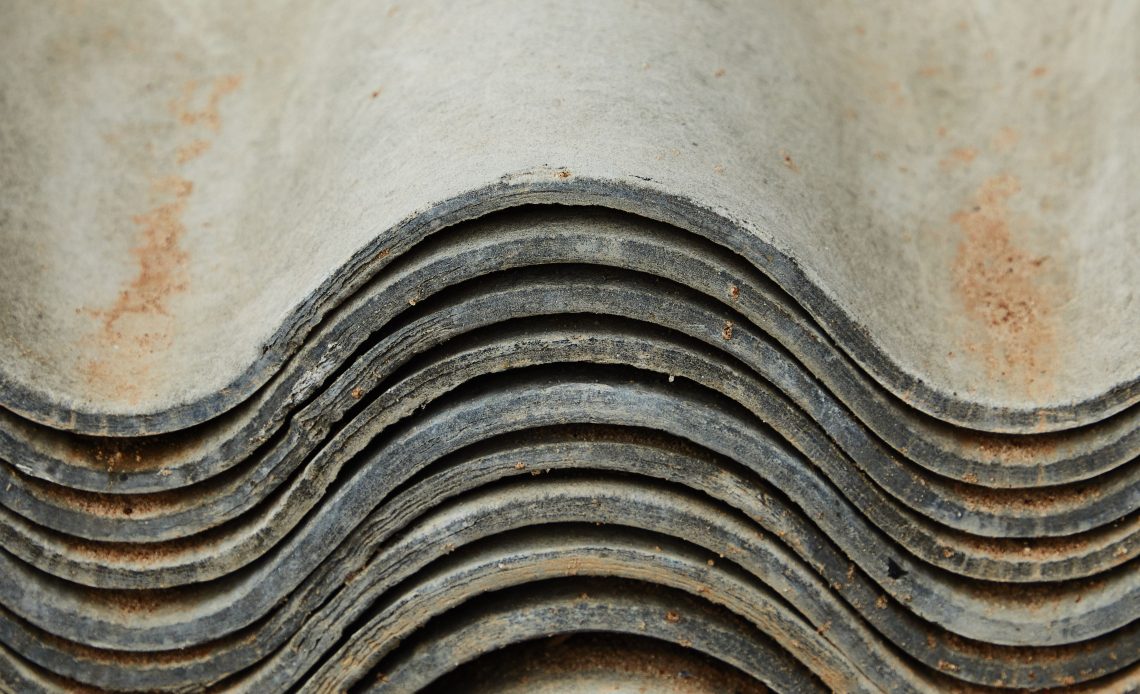
Materials that may contain asbestos in older buildings include vinyl floor tiles and mastic, sheet flooring backing, textured ceilings, drywall joint compound, plaster, pipe and duct insulation, vermiculite attic insulation, roofing, and siding. These can look like ordinary materials, so appearance alone cannot confirm whether asbestos is present.
Activities that create risk
Sanding, scraping, drilling, sawing, demolishing walls, pulling up flooring, and removing ceiling texture can all release fibers. Power tools can spread fine dust widely, and fibers can settle on surfaces, enter ductwork, and be stirred up again later.
Why small projects still matter
Even modest projects, such as replacing a light fixture in a textured ceiling or removing a section of old flooring, can disturb asbestos. There is no known safe level of exposure, so it is wise to plan carefully regardless of project size.
Planning a safer renovation
The most effective protection comes from identifying asbestos before any work begins.
Test before you renovate
A qualified asbestos inspector can collect samples from materials likely to be disturbed and send them to an accredited laboratory. Testing before demolition helps homeowners and contractors understand what precautions are needed and avoid accidental exposure.
Check local requirements
Some states and localities have rules about asbestos inspections, notifications, permits, and disposal for residential renovations. In apartment buildings, landlords and building management may have additional procedures and legal obligations. Checking these requirements early can prevent delays.
Use licensed abatement professionals
If testing confirms asbestos in areas that will be disturbed, licensed abatement contractors can remove, encapsulate, or enclose the material. These professionals use containment barriers, negative air pressure, wet methods, HEPA filtration, and protective equipment designed to limit the release of fibers.
Protecting your household during work
Even when professionals handle asbestos, residents should take steps to limit their own exposure.
Stay out of work areas
Keep family members and pets away from the renovation zone until work is complete and the area has been cleared. For larger projects, temporarily staying elsewhere may be appropriate.
Protect heating and cooling systems
Ask contractors how they will prevent dust from entering ducts and vents. Sealing vents in the work area and turning off forced-air systems during dusty phases can reduce the spread of fibers.
Ask about clearance testing
After abatement, air sampling can help confirm that fiber levels have returned to acceptable limits before containment is removed. Ask the contractor whether clearance testing is included.
Plan for cleanup and disposal
Asbestos waste generally must be wetted, sealed in labeled containers, and taken to facilities permitted to accept it. Licensed contractors usually handle these steps as part of the job. Confirm in writing who is responsible for disposal, and avoid placing any suspected asbestos debris in household trash or construction dumpsters, where it can expose waste handlers and neighbors.
If asbestos may already have been disturbed
Sometimes asbestos is discovered only after work has started. Responding calmly and quickly helps limit exposure.
Stop work and limit spread
Stop the project, leave the area, and close it off if possible. Avoid sweeping, dusting, or vacuuming debris with standard household equipment, which can spread fibers further. Turn off heating or cooling systems that may circulate air from the affected area.
Bring in a professional
Contact a qualified asbestos inspector or abatement contractor to assess the area, test materials, and handle cleanup. Do not attempt to bag or dispose of suspected asbestos debris yourself.
Keep a record
Write down what happened, when, which materials were disturbed, and who was present. This record can help a healthcare provider understand potential exposure if symptoms develop in the future.
Choosing the right professionals
The quality of the people hired for a renovation can make a significant difference in how safely asbestos is handled.
Vetting inspectors and abatement contractors
Ask for proof of licensing or certification required in your state, along with insurance information and references. Reputable contractors can explain their containment and cleanup methods and provide written estimates that describe the scope of work.
Separating inspection from removal
Some homeowners prefer to use an independent inspector rather than the same company that will perform removal. This approach can provide an additional layer of objectivity when deciding what work is necessary.
Communicating with general contractors
If a general contractor is managing the renovation, make sure they know the results of any asbestos testing. Ask how their crews will avoid disturbing identified materials and how they will coordinate with abatement professionals if needed.
Getting documentation
Keep copies of inspection reports, laboratory results, abatement contracts, disposal records, and clearance test results. These documents can be useful when selling the home and provide a record of what was done.
Long-term lung health
A single exposure does not mean a person will develop lung cancer, but it is worth sharing exposure history with a healthcare provider. Smoking significantly increases lung cancer risk for people exposed to asbestos, so quitting is one of the most valuable steps anyone with past exposure can take. Testing your home for radon, another common cause of lung cancer, is also a practical step. Report persistent coughing, chest pain, shortness of breath, or coughing up blood to a provider promptly.