
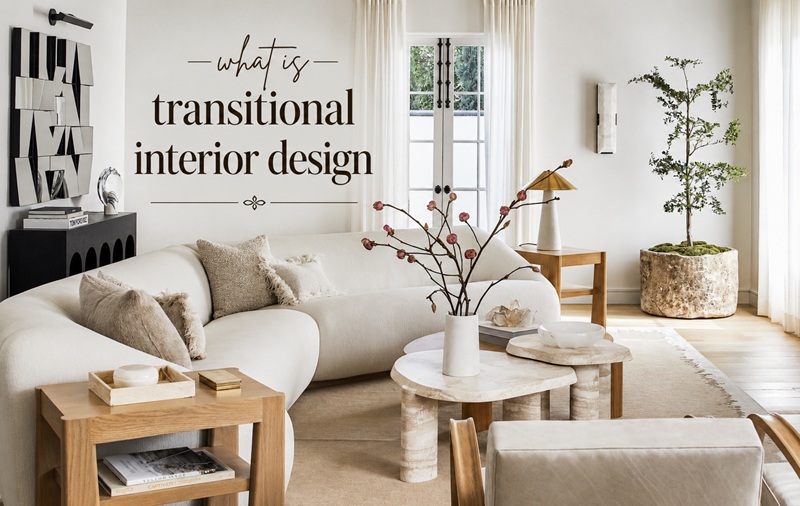
Transitional interior design is one of the most popular and enduring decorating styles, and for a simple reason: it offers the best of both worlds. By blending the warmth and comfort of traditional design with the clean lines and simplicity of contemporary style, transitional interiors achieve a look that feels timeless, elegant, and effortlessly livable. It is a style that never feels dated, never feels cold, and suits an enormous range of homes and tastes, which is exactly why so many people gravitate toward it.
This guide explains what transitional interior design actually is, how it differs from the styles it blends, the elements that define it, and how to create the look in your own home.
What Is Transitional Interior Design?
Transitional interior design is a style that bridges traditional and contemporary design, combining elements of both to create a balanced, harmonious space. The word transitional refers to this blending, the way the style transitions between the classic and the modern, taking the most appealing qualities of each and merging them into a cohesive whole.
From traditional design, transitional style borrows warmth, comfort, elegant furnishings, and a sense of timeless refinement. From contemporary design, it takes clean lines, simplicity, uncluttered spaces, and an emphasis on comfort and function over ornament. The result is an interior that feels sophisticated yet relaxed, classic yet current, and comfortable without being either fussy or stark.
This balance is the essence of the style. Transitional design is not simply a mix of old and new furniture thrown together; it is a deliberate, harmonious blending that creates a serene, cohesive, and elegant space. It appeals especially to people who love the comfort of traditional style but find it too formal or heavy, and who appreciate the clean simplicity of contemporary style but find it too cold or minimal.
How Is Transitional Different From Traditional and Contemporary?
To understand transitional design fully, it helps to see clearly how it differs from the two styles it draws upon, since the distinction is what defines it.
Traditional interior design is rooted in classic, timeless elegance, featuring ornate details, rich colors, elaborate furnishings, patterned fabrics, and a formal, layered sense of comfort. It draws on historical European styles and emphasizes symmetry, decoration, and a sense of established refinement. Traditional interiors are warm and inviting but can feel formal, heavy, or fussy to modern tastes.
Contemporary interior design, by contrast, reflects current trends and emphasizes clean lines, simplicity, and uncluttered spaces. It favors sleek furnishings, a restrained approach to decoration, open spaces, and a focus on form and function. Contemporary interiors feel fresh and streamlined but can sometimes feel cold, stark, or impersonal.
Transitional design sits squarely between the two, taking the warmth, comfort, and elegance of traditional style and marrying it with the clean lines, simplicity, and freshness of contemporary style. It softens the starkness of contemporary design and modernizes the formality of traditional design, arriving at a balanced middle ground that feels both comfortable and current. This is why transitional style is often described as classic yet modern, or timeless yet fresh.
The Key Elements of Transitional Interior Design
Several characteristics consistently define transitional interiors, and understanding them is the key to creating the look successfully.
A neutral color palette is fundamental. Transitional design relies heavily on soft, neutral tones, warm whites, creams, beiges, taupes, grays, and greiges, that create a calm, sophisticated, and cohesive backdrop. This restrained palette is one of the style’s most defining features, lending it a serene and elegant quality. Color, when used, tends to be subtle and layered rather than bold.
A balance of furniture styles is at the heart of the look. Transitional interiors pair furnishings that blend traditional and contemporary qualities, pieces with classic, comfortable forms but clean, simple lines and minimal ornamentation. A curved sofa in a neutral fabric, a clean-lined upholstered chair, or a coffee table that marries a traditional shape with a modern finish all embody this balance.
Emphasis on texture over pattern gives transitional design its depth. Because the color palette is restrained and pattern is used sparingly, texture does much of the work of creating visual interest and warmth. Layering materials, a nubby wool throw, a smooth leather chair, a linen cushion, a wood or stone surface, creates richness without clutter or busyness.
Clean lines with soft comfort define the furnishings and architecture. Transitional pieces have simpler, cleaner profiles than traditional ones but retain a sense of comfort and warmth that purely contemporary pieces can lack. Sophisticated, understated accessories complete the look, chosen with restraint so the space feels curated and uncluttered rather than crowded.
The Transitional Color Palette
Color deserves particular attention because it is so central to the transitional look. The palette is built on soft, warm neutrals that create the calm, cohesive, and elegant backdrop the style is known for.
Whites, creams, beiges, taupes, and grays form the foundation, often layered in closely related tones to add depth and warmth while maintaining a serene, harmonious feel. Greige, the blend of gray and beige, is a particular favorite in transitional design, capturing the balance between warm and cool that the whole style embodies. Against this neutral base, subtle accents may be introduced, but they tend to be muted and sophisticated rather than bold, deeper neutrals, soft muted colors, or the natural tones of wood, stone, and metal.
This restrained, tonal approach to color is what gives transitional interiors their timeless, calming quality and allows texture and form to take center stage.
How Do You Create a Transitional Look in Your Home?
Creating a transitional interior is very achievable once you understand the principles, and a few key approaches bring the style together.
Begin with a neutral foundation. Establishing a palette of soft, warm neutrals across walls, larger furniture, and major surfaces creates the calm, cohesive backdrop the style depends on. From there, choose furniture that balances traditional and contemporary qualities, pieces with comfortable, classic forms but clean lines and minimal ornamentation, avoiding anything too ornate or too starkly modern.
Layer textures generously to add warmth and interest, combining materials like wood, stone, metal, linen, wool, and leather so the neutral space feels rich rather than flat. Keep patterns and accessories restrained, using them sparingly and with intention so the space stays uncluttered and sophisticated. Incorporate a mix of materials and finishes, balancing warm and cool, matte and polished, soft and hard, to achieve the harmonious blend at the heart of the style.
Throughout, aim for balance and cohesion rather than contrast for its own sake. The goal is a space where traditional and contemporary elements feel seamlessly integrated, comfortable, elegant, and effortlessly timeless. This balance is what makes transitional design feel so serene and enduringly appealing.
Why Transitional Design Is So Popular
Transitional interior design has remained consistently popular, and its appeal is easy to understand. Because it blends the timeless comfort of traditional style with the clean freshness of contemporary style, it avoids the pitfalls of both, never feeling dated or fussy, and never feeling cold or impersonal.
Its neutral, balanced foundation makes it exceptionally versatile, suiting a wide range of homes, tastes, and lifestyles, and allowing it to adapt easily over time. It is a forgiving style to live with and to update, since its restrained palette and classic-yet-current furnishings do not tie a home to a passing trend. And its calm, sophisticated, comfortable character simply suits how many people want to live, elegant but relaxed, refined but welcoming.
For all these reasons, transitional design has become a go-to choice for those seeking a home that feels both timeless and current, a balance that few other styles achieve so gracefully.
Frequently Asked Questions
What is transitional interior design in simple terms?
Transitional interior design is a style that blends traditional and contemporary design, combining the warmth and comfort of classic style with the clean lines and simplicity of modern style. The result is a balanced, timeless, and elegant look that feels both classic and current.
What is the difference between transitional and contemporary design?
Contemporary design emphasizes clean lines, simplicity, and current trends, and can feel sleek but sometimes cold. Transitional design takes those clean lines and adds the warmth, comfort, and timeless elegance of traditional style, creating a softer, more balanced look that is classic as well as modern.
What colors are used in transitional design?
Transitional design relies on soft, warm neutrals such as whites, creams, beiges, taupes, grays, and greige. These create a calm, cohesive, and elegant backdrop, with any accent colors kept subtle and muted rather than bold.